Street sweeping is the process of cleaning roads and curbs using mechanical sweepers or vacuum trucks. It removes dirt, leaves, and debris to maintain cleanliness, prevent blockages in drainage systems, and enhance the aesthetic appeal of urban areas.
Car park sweeping is the meticulous cleaning of parking lots using specialized equipment like sweepers and vacuums. It removes debris, leaves, and litter, enhancing safety, appearance, and longevity of the pavement.
Regular sweeping also reduces pollutants entering water systems, maintaining environmental health in urban and commercial areas.
warehouse sweeping
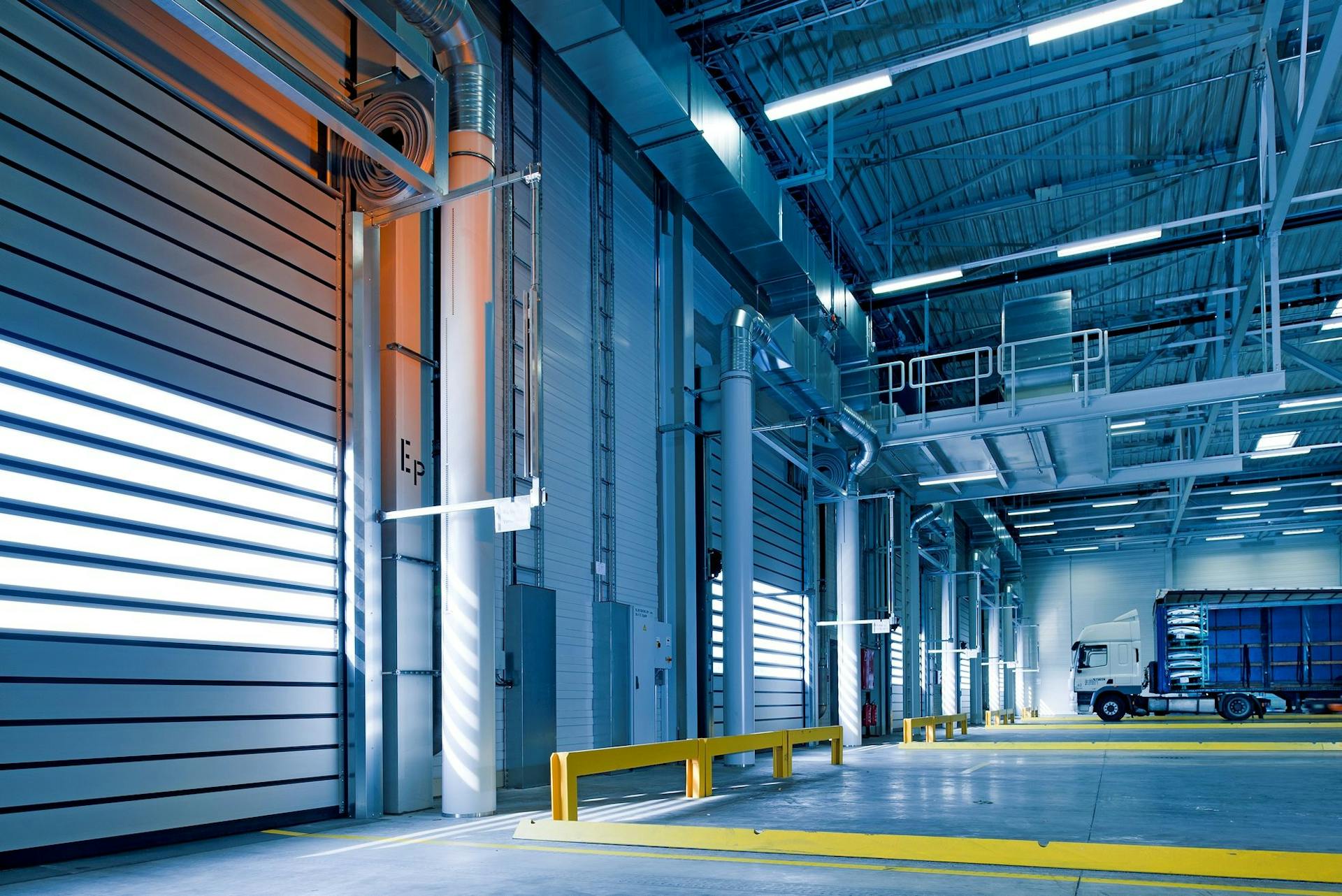
Warehouse sweeping involves thorough cleaning of storage facilities using industrial-grade equipment like sweepers and scrubbers. It removes dust, debris, and contaminants, ensuring a clean and safe environment for operations.
Regular sweeping enhances air quality, reduces fire hazards, and extends the lifespan of warehouse infrastructure.
foot path sweeping
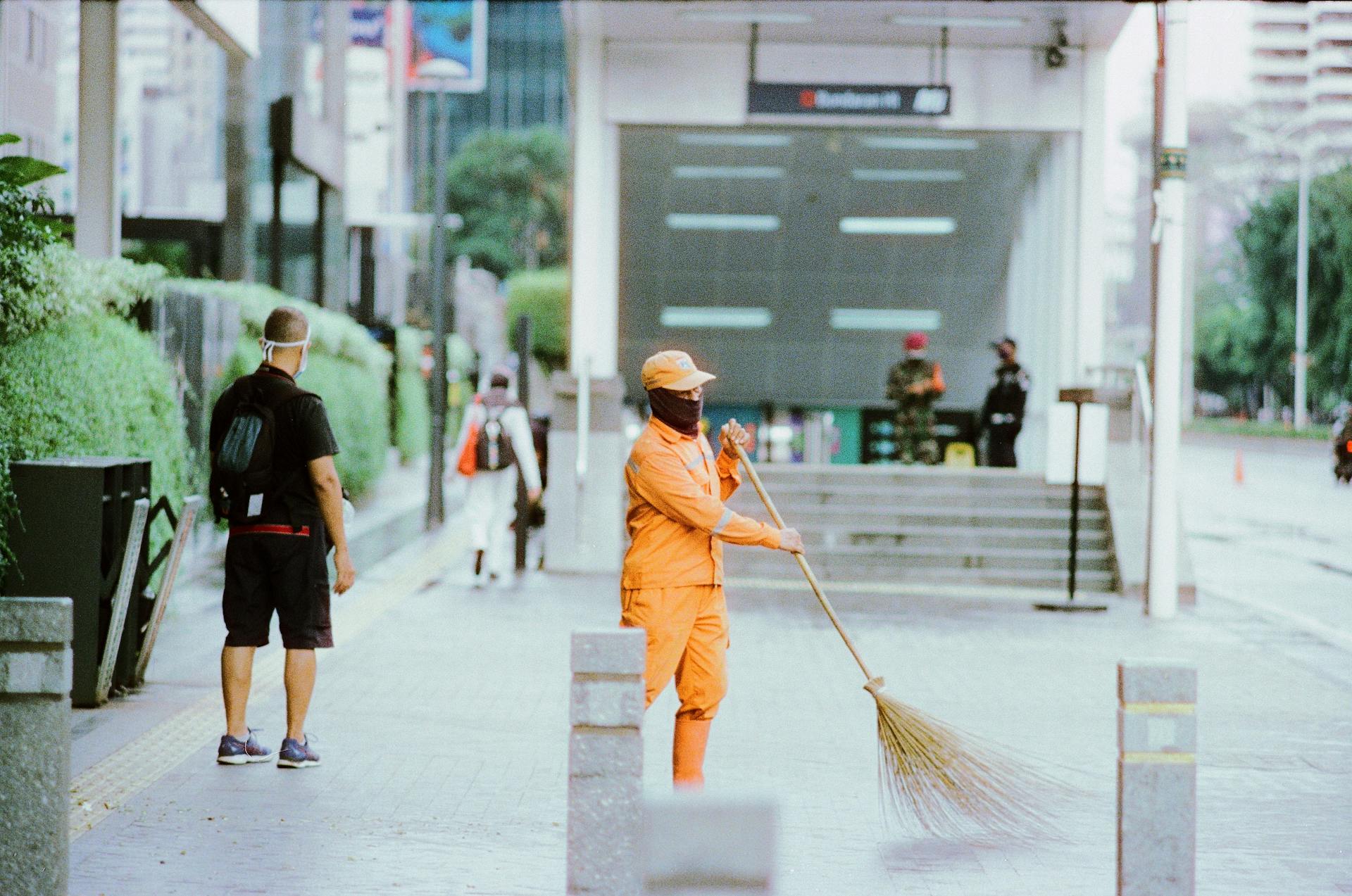
Footpath sweeping involves cleaning pedestrian walkways using specialized equipment such as sweepers and blowers. It removes litter, leaves, and debris, ensuring safety and cleanliness for pedestrians.
Regular maintenance prevents hazards, enhances urban aesthetics, and promotes a healthier environment in public spaces.
airport sweeping
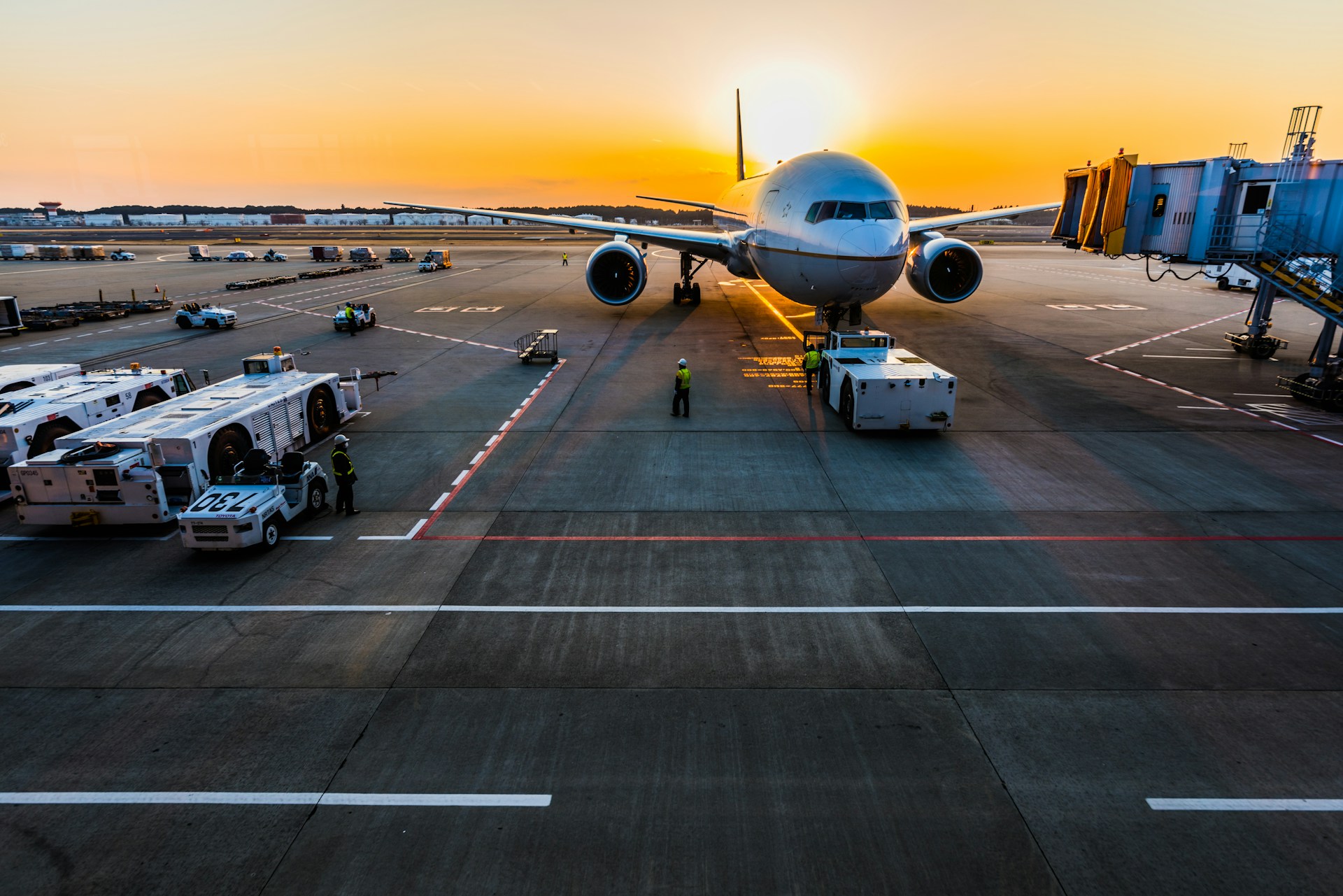
Airport sweeping involves the systematic cleaning of runways, taxiways, and aprons using specialized equipment such as sweepers and vacuum trucks. It removes debris, rubber deposits, and foreign object debris (FOD), ensuring safe aircraft operations.
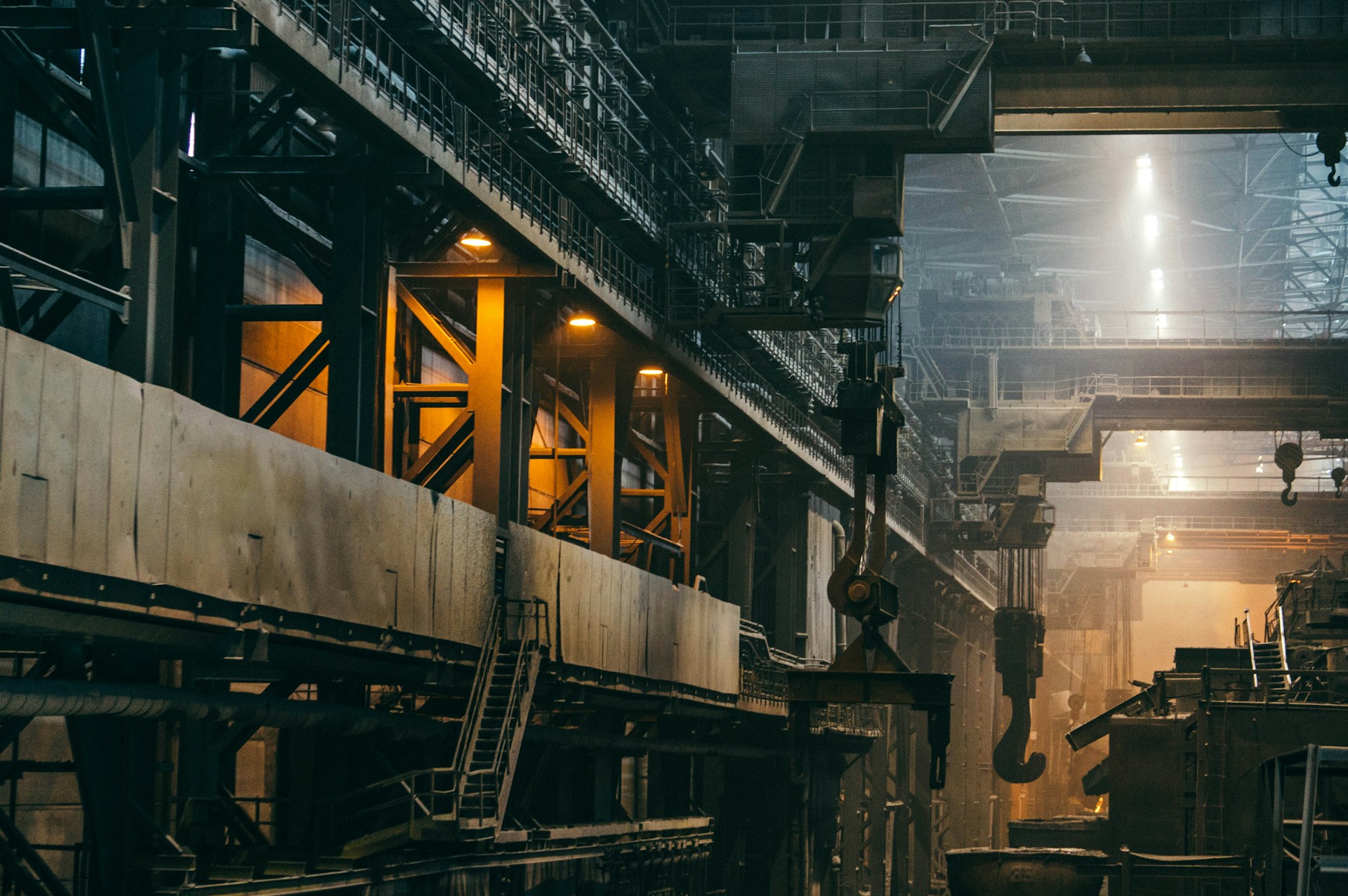
Industrial and commercial sweeping refers to the thorough cleaning of large-scale facilities and commercial properties using heavy-duty equipment like sweepers and scrubbers. It removes dirt, debris, and contaminants, ensuring a clean and safe environment for operations.
Street sweeping is the process of cleaning roads and curbs using mechanical sweepers or vacuum trucks. It removes dirt, leaves, and debris to maintain cleanliness, prevent blockages in drainage systems, and enhance the aesthetic appeal of urban areas.
Car park sweeping is the meticulous cleaning of parking lots using specialized equipment like sweepers and vacuums. It removes debris, leaves, and litter, enhancing safety, appearance, and longevity of the pavement.
Regular sweeping also reduces pollutants entering water systems, maintaining environmental health in urban and commercial areas.
Warehouse sweeping involves thorough cleaning of storage facilities using industrial-grade equipment like sweepers and scrubbers. It removes dust, debris, and contaminants, ensuring a clean and safe environment for operations.
Regular sweeping enhances air quality, reduces fire hazards, and extends the lifespan of warehouse infrastructure.
Footpath sweeping involves cleaning pedestrian walkways using specialized equipment such as sweepers and blowers. It removes litter, leaves, and debris, ensuring safety and cleanliness for pedestrians.
Regular maintenance prevents hazards, enhances urban aesthetics, and promotes a healthier environment in public spaces.
Airport sweeping involves the systematic cleaning of runways, taxiways, and aprons using specialized equipment such as sweepers and vacuum trucks. It removes debris, rubber deposits, and foreign object debris (FOD), ensuring safe aircraft operations.
Industrial and commercial sweeping refers to the thorough cleaning of large-scale facilities and commercial properties using heavy-duty equipment like sweepers and scrubbers. It removes dirt, debris, and contaminants, ensuring a clean and safe environment for operations.